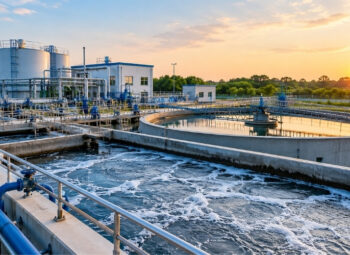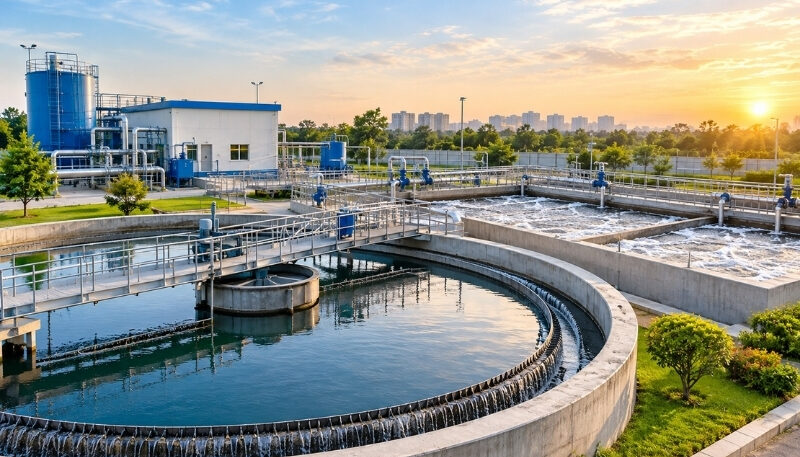
Sewage Treatment Plant (STP) – Sewage Treatment and Water Recycling Solutions
Introduction
Rapid urban development, population growth, and increasing water consumption have created a significant need for effective wastewater management solutions. Residential complexes, commercial buildings, hospitals, hotels, and industrial facilities generate large volumes of sewage wastewater every day that must be treated before discharge or reuse.
A Sewage Treatment Plant (STP) is an advanced wastewater treatment system designed to treat domestic sewage and convert wastewater into reusable or environmentally safe water.
Modern STP Plants help reduce water pollution, support water recycling, and ensure compliance with environmental regulations. From housing societies and apartments to hospitals and industrial facilities, STP systems have become an essential part of sustainable water management.
What is a Sewage Treatment Plant (STP)?
A Sewage Treatment Plant (STP) is a wastewater treatment facility that removes contaminants, organic matter, suspended solids, and harmful microorganisms from sewage water.
Sewage generated from the following facilities requires proper treatment:
- Residential Buildings
- Housing Societies
- Hotels
- Hospitals
- Schools
- Commercial Complexes
- Industrial Facilities
Sewage may contain organic waste, chemicals, suspended solids, and pathogens that require appropriate treatment before disposal or reuse.
An STP plant uses a combination of the following processes:
- Physical Treatment
- Biological Treatment
- Chemical Treatment, Where Required
- Filtration Processes
- Disinfection
These processes help produce treated water suitable for discharge or reuse, depending on the treatment configuration and required water quality standards.
Why is a Sewage Treatment Plant Important?
Untreated sewage can create serious environmental and public health problems. Installing an efficient sewage treatment system provides several benefits.
1. Prevents Water Pollution
Untreated sewage can contaminate rivers, lakes, and groundwater sources. STP plants remove targeted pollutants and help protect natural water resources.
2. Water Recycling and Reuse
Treated wastewater from STP systems can be reused for suitable applications, including:
- Gardening
- Toilet Flushing
- Landscape Irrigation
- Cleaning Applications
- Cooling Systems
Reusing treated wastewater helps reduce freshwater consumption and supports sustainable water management.
3. Regulatory Compliance
Residential and commercial projects may be required to follow applicable wastewater treatment regulations. A properly designed and operated STP plant helps projects meet relevant environmental standards.
4. Sustainable Water Management
STP systems support sustainable development by converting wastewater into a resource that can be reused for appropriate non-potable applications.
How Does a Sewage Treatment Plant Work?
A modern Sewage Treatment Plant works through multiple stages to remove impurities, reduce organic pollutants, and improve water quality.
1. Screening Process
The first stage involves removing large solid materials and floating debris from sewage water. Screening protects pumps, pipelines, and other treatment equipment from blockages and damage.
Screening removes materials such as:
- Plastic Waste
- Paper
- Cloth Materials
- Other Floating Debris
2. Primary Treatment
Primary treatment removes settleable solids and floating materials from sewage through physical separation processes.
Primary Settling Tank
During primary settling:
- Heavy Solids Settle at the Bottom
- Floating Materials Are Removed
- Settleable Suspended Particles Are Separated
- Collected Solids Form Sludge
The collected sludge is managed separately through suitable sludge treatment and disposal processes.
3. Biological Treatment Process
Biological treatment is one of the most important stages in an STP plant. Microorganisms consume and break down biodegradable organic pollutants present in sewage water.
Different biological treatment technologies are selected according to the wastewater characteristics, treatment capacity, available space, and required treated water quality.
MBBR-Based STP Plant (Moving Bed Biofilm Reactor)
Moving Bed Biofilm Reactor (MBBR) technology is widely used in modern sewage treatment plants. The process uses specially designed bio-media that provide surfaces for microorganisms to grow and treat wastewater.
Key advantages of MBBR-based STP systems include:
- Effective Biological Treatment
- Compact Plant Design
- Potential for Reduced Sludge Production Compared with Some Alternatives
- Relatively Simple Operation
- Ability to Handle Variable Wastewater Loads When Properly Designed
MBBR-based systems are commonly considered for:
- Apartments
- Hotels
- Commercial Buildings
- Industrial Facilities
SBR Sewage Treatment Plant (Sequencing Batch Reactor)
Sequencing Batch Reactor (SBR) technology treats sewage in batches. Multiple treatment stages are carried out in a reactor according to a programmed operating cycle.
The treatment cycle generally includes:
- Filling
- Aeration
- Settling
- Decanting
Key benefits of SBR technology include:
- High-Quality Treatment When Properly Operated
- Automated Operation
- Potential for Efficient Nutrient Removal
- Reduced Space Requirements in Suitable Applications
MBR Sewage Treatment System (Membrane Bioreactor)
Membrane Bioreactor (MBR) technology combines biological treatment with membrane filtration to produce high-quality treated water.
Key advantages include:
- High-Quality Treated Water
- Compact System Design
- Effective Removal of Suspended Solids and Many Microorganisms
- Suitability for Selected Water Reuse Applications
4. Tertiary Treatment and Filtration
After biological treatment, tertiary treatment and advanced filtration processes may be used to improve water quality for discharge or reuse.
Sand Filtration
Sand filtration helps remove:
- Remaining Suspended Particles
- Turbidity
Activated Carbon Filtration
Activated carbon filtration helps reduce:
- Odour
- Colour
- Selected Organic Impurities
UV Treatment
Ultraviolet (UV) disinfection inactivates susceptible microorganisms and can provide an additional barrier against microbial contamination.
Chlorination
Chlorination provides disinfection when appropriate for the treatment system and intended water use. The dosage and contact time must be selected according to water quality and applicable requirements.
5. Sludge Treatment
During sewage treatment, sludge is generated as a by-product. A sludge treatment system manages this material through appropriate handling, dewatering, and disposal processes.
- Sludge Thickening
- Sludge Dewatering
- Sludge Drying
- Appropriate Disposal or Recovery
Proper sludge management supports reliable STP performance and helps ensure environmental safety.
Types of Sewage Treatment Plants
Different applications require different STP designs and treatment technologies based on sewage generation, site conditions, and water quality requirements.
1. Biological Sewage Treatment Plant
A biological sewage treatment plant uses microorganisms to break down biodegradable organic waste present in sewage.
Common applications include:
- Residential Complexes
- Hotels
- Hospitals
- Commercial Buildings
2. Compact STP Plant
Compact sewage treatment plants are designed for locations with limited installation space while meeting the required treatment performance.
Key benefits include:
- Small Footprint
- Convenient Installation
- Space-Efficient Design
- Simplified Operation Depending on Configuration
Compact STP plants may be suitable for:
- Apartments
- Small Housing Societies
- Commercial Buildings
3. Packaged STP Plant System
Packaged STP systems are prefabricated sewage treatment solutions designed to simplify transportation, installation, and commissioning.
Common applications include:
- Construction Sites
- Small Communities
- Remote Locations
4. Decentralized Sewage Treatment Plant
Decentralized STP systems treat wastewater close to the point where it is generated, reducing the need to transport all sewage to a centralized treatment facility.
Key advantages include:
- Reduced Pipeline Requirements in Suitable Projects
- Potentially Lower Wastewater Transportation Costs
- Convenient Local Water Reuse
- Flexible Treatment System Design
Applications of Sewage Treatment Plants
STP Plant for Apartments and Housing Societies
Residential complexes generate large quantities of sewage every day. STP plants help housing societies treat wastewater and reuse treated water for suitable applications such as gardening and toilet flushing.
Key benefits include:
- Reduced Freshwater Consumption
- Support for Environmental Compliance
- Sustainable Water Usage
STP Plant for Commercial Buildings
Shopping malls, offices, and commercial properties require efficient sewage treatment solutions to manage wastewater generated by occupants, sanitation facilities, and other daily activities.
STP Plant for Hotels
Hotels generate wastewater from several operations, including:
- Guest Rooms
- Restaurants
- Laundry Operations
- Housekeeping Activities
STP systems help hotels treat wastewater for suitable reuse applications and reduce their dependence on freshwater supplies.
STP Plant for Hospitals
Hospitals require carefully designed sewage treatment systems because their wastewater may contain pathogens, pharmaceutical residues, cleaning agents, and other contaminants. Treatment requirements depend on the wastewater source and applicable standards.
STP Plant for Industries
Industrial facilities may require customized STP solutions integrated with other wastewater treatment systems. Separate industrial effluent treatment may also be necessary when wastewater contains process-related chemicals or pollutants beyond typical domestic sewage.
Benefits of Installing an STP Plant
1. Effective Wastewater Treatment
STP plants remove targeted pollutants, reduce organic matter, and improve wastewater quality through suitable treatment processes.
2. Water Conservation
Recycled water can reduce dependence on freshwater sources when the treated water meets the quality requirements of its intended application.
3. Reduced Environmental Impact
Proper sewage treatment helps protect natural water resources and reduces the environmental impact of untreated wastewater discharge.
4. Lower Operational Costs
Reusing treated water for suitable non-potable applications can reduce water procurement costs and improve long-term resource efficiency.
5. Improved Hygiene and Safety
Appropriate wastewater treatment and disinfection reduce harmful microorganisms and help protect public health and the environment.
Factors Affecting Sewage Treatment Plant Cost
The cost of an STP plant depends on treatment capacity, sewage characteristics, technology selection, installation requirements, automation, and ongoing operating needs.
1. Treatment Capacity
The size of the plant depends on daily sewage generation, peak flow rates, expected occupancy, and future capacity requirements.
2. Technology Selection
The cost varies depending on the selected treatment technology, including:
- MBBR (Moving Bed Biofilm Reactor)
- SBR (Sequencing Batch Reactor)
- MBR (Membrane Bioreactor)
- Extended Aeration
3. Installation Requirements
Civil construction, equipment selection, piping, electrical systems, automation, site preparation, and commissioning influence the total project cost.
4. Maintenance Requirements
Energy consumption, chemical usage, membrane replacement where applicable, sludge handling, spare parts, and routine maintenance affect long-term operating expenses.
Why Choose APK Aquatech for STP Solutions?
Selecting the right sewage treatment plant manufacturer is important for achieving reliable wastewater treatment performance and efficient water management.
APK Aquatech provides customized sewage treatment solutions designed for a range of applications, including:
- Residential Societies
- Commercial Buildings
- Hospitals
- Hotels
- Industrial Applications
With suitable treatment technologies and engineered solutions, APK Aquatech helps organizations improve wastewater management, support treated water reuse, and work towards sustainable water conservation goals.