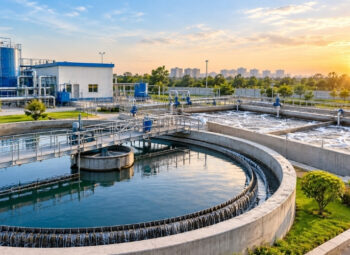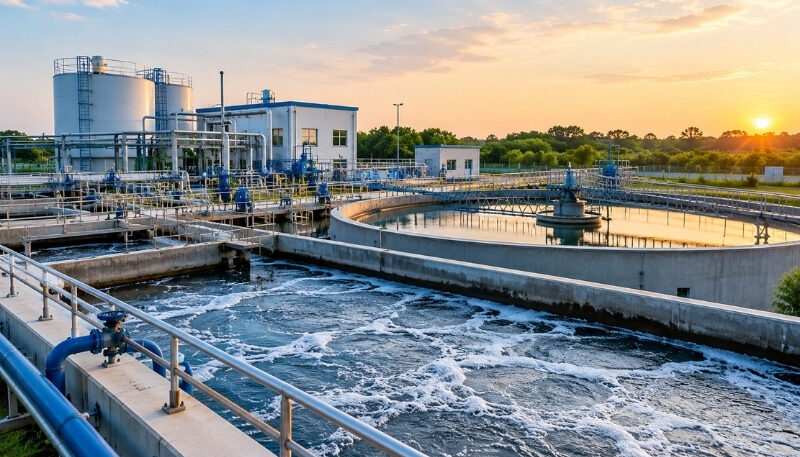
Effluent Treatment Plant (ETP) – Industrial Effluent Treatment Solutions
Introduction
Industrial growth has significantly increased the demand for efficient wastewater management solutions. Manufacturing industries generate large quantities of wastewater containing chemicals, organic pollutants, oils, heavy metals, and other contaminants that can harm the environment if discharged untreated.
An Effluent Treatment Plant (ETP) is an advanced wastewater treatment system designed to remove harmful pollutants from industrial effluent and make the treated water suitable for safe discharge or reuse.
Industries such as pharmaceuticals, chemicals, textiles, food processing, automotive, paper, and manufacturing rely on Industrial Effluent Treatment Plants to meet environmental regulations and achieve sustainable water management.
A properly designed ETP plant not only helps industries comply with pollution control standards but also enables water recycling, reduces operational costs, and supports environmental sustainability.
What is an Effluent Treatment Plant (ETP)?
An Effluent Treatment Plant (ETP) is a wastewater treatment system used by industries to treat contaminated water generated during industrial processes.
Industrial wastewater contains various pollutants depending on the type of industry. These may include:
- Organic Matter
- Suspended Solids
- Toxic Chemicals
- Oil and Grease
- Heavy Metals
- Dissolved Solids
- Harmful Microorganisms
The primary objective of an ETP plant is to remove these contaminants through physical, chemical, and biological treatment processes.
The treated water can then be:
- Safely discharged in accordance with applicable regulatory standards
- Reused for industrial applications
- Recycled through advanced treatment systems
Why Do Industries Need an Effluent Treatment Plant?
Industries consume large amounts of water for manufacturing processes, cleaning, cooling, and production activities. This results in the generation of wastewater that requires proper treatment before disposal.
Major reasons industries install ETP systems include:
1. Environmental Protection
Untreated industrial wastewater can contaminate rivers, groundwater, and soil. ETP plants remove harmful substances and reduce environmental pollution.
2. Regulatory Compliance
Industries must follow wastewater discharge standards defined by applicable pollution control authorities. An efficient effluent treatment system helps industries meet relevant compliance requirements.
3. Water Recycling and Reuse
Modern ETP plants allow industries to recycle treated water for:
- Cooling Systems
- Gardening and Landscaping
- Cleaning Processes
- Manufacturing Applications
This reduces freshwater consumption and supports sustainable water management.
4. Cost Reduction
Water recycling reduces dependence on freshwater sources and can lower wastewater disposal costs, helping industries improve overall operational efficiency.
How Does an Effluent Treatment Plant Work?
The working process of an ETP Plant involves multiple treatment stages to remove different types of contaminants from industrial wastewater.
1. Preliminary Treatment
The first stage removes large particles and physical impurities from industrial wastewater. This stage helps protect downstream treatment equipment and improves the efficiency of subsequent processes.
Common processes include:
- Screening
- Filtration
- Grit Removal
- Oil and Grease Separation
2. Primary Treatment
During primary treatment, suspended solids and heavier particles are separated from wastewater through physical and chemical processes.
Equalization Tank
An equalization tank balances variations in:
- Flow Rate
- pH Levels
- Pollutant Concentration
This helps maintain stable operating conditions and supports consistent performance throughout the treatment system.
Chemical Treatment
Chemical treatment involves adding suitable chemicals to remove pollutants through processes such as:
- Neutralization
- Coagulation
- Flocculation
These processes help remove suspended particles and selected dissolved contaminants depending on the wastewater characteristics and treatment requirements.
3. Biological Treatment
Biological treatment is one of the most important stages in an ETP plant. In this process, microorganisms break down biodegradable organic pollutants present in wastewater.
MBBR-Based ETP Plant
Moving Bed Biofilm Reactor (MBBR) technology uses specially designed bio-media on which microorganisms grow and treat wastewater efficiently.
Key benefits include:
- High Biological Treatment Efficiency
- Compact Plant Design
- Relatively Low Maintenance Requirements
- Flexible Treatment Capacity
SBR Effluent Treatment Plant
Sequencing Batch Reactor (SBR) technology performs biological wastewater treatment in batches, combining multiple treatment stages within a reactor.
Key advantages include:
- Potential for Improved Nutrient Removal
- Automated Operation
- Space-Saving Design
- Flexible Treatment Cycles
4. Tertiary Treatment
Tertiary treatment improves the quality of treated water before final discharge or reuse. The treatment technologies selected depend on the required water quality and intended application.
Common tertiary treatment processes include:
- Sand Filtration
- Activated Carbon Filtration
- Ultrafiltration (UF)
- Reverse Osmosis (RO)
- UV Treatment
These processes help remove remaining suspended particles, selected dissolved contaminants, and microorganisms. Reverse osmosis can reduce dissolved salts when required for the intended reuse application.
5. Sludge Treatment
During wastewater treatment, sludge is generated as a by-product. A sludge treatment system manages this material through suitable handling and dewatering processes.
- Sludge Thickening
- Sludge Dewatering
- Sludge Drying
- Appropriate Disposal or Recovery
Proper sludge management improves overall ETP operation and helps ensure that the resulting waste is handled in accordance with applicable requirements.
Types of Effluent Treatment Plants
Different industries require different ETP technologies based on wastewater characteristics, treatment capacity, discharge requirements, and water reuse objectives.
1. Biological Effluent Treatment Plant
A biological effluent treatment plant uses microorganisms to remove biodegradable organic pollutants from industrial wastewater.
Suitable applications include:
- Food Processing Industries
- Pharmaceutical Industries
- Selected Chemical Industries
2. Chemical Effluent Treatment Plant
A chemical effluent treatment plant uses processes such as neutralization, coagulation, precipitation, and oxidation to treat specific industrial pollutants.
It can be designed to address:
- Heavy Metals
- Selected Toxic Substances
- Acids and Alkalis
- Specific Industrial Chemicals
3. Compact Effluent Treatment Plant
A compact ETP is designed for industries with limited installation space and specific wastewater treatment requirements.
Key benefits include:
- Compact Design
- Space-Efficient Installation
- Integrated Treatment Processes
- Simplified Operation Depending on System Design
4. MBBR-Based Effluent Treatment Plant
An MBBR-based ETP uses biofilm technology to support biological wastewater treatment. It can be suitable for industrial applications requiring effective organic pollutant removal within a compact treatment configuration.
Applications of Industrial Effluent Treatment Plants
Industrial ETP plants are used across multiple sectors to manage wastewater, improve treated water quality, and support environmental compliance.
Pharmaceutical Industry
Pharmaceutical manufacturing generates wastewater containing chemicals, active ingredients, solvents, and organic pollutants. ETP systems are designed according to wastewater composition and treatment requirements to support compliant discharge or reuse.
Chemical Industry
Chemical industries require suitable treatment systems to manage wastewater containing acids, alkalis, solvents, heavy metals, and other potentially hazardous compounds.
Textile Industry
Textile wastewater can contain dyes, salts, surfactants, processing chemicals, and organic pollutants. Appropriate treatment processes help reduce colour, suspended solids, and other contaminants.
Food Processing Industry
Food processing industries generate wastewater containing organic matter, fats, oils, grease, and suspended solids. Biological and other suitable treatment processes help reduce the pollutant load.
Manufacturing Industries
Automobile, engineering, metalworking, and general manufacturing units generate wastewater containing oils, lubricants, metal particles, cleaning chemicals, and process-related contaminants. Customized ETP systems help manage these wastewater streams effectively.
Benefits of Installing an Industrial ETP Plant
Improved Wastewater Quality
ETP systems remove targeted pollutants and improve wastewater quality according to the selected treatment process and performance requirements.
Reduced Environmental Impact
Proper wastewater treatment helps prevent the release of harmful contaminants into natural water bodies and soil.
Water Conservation
Treated water can be reused for suitable industrial operations, cleaning, cooling, and other applications when its quality meets the intended use requirements.
Better Regulatory Compliance
A properly designed and operated ETP helps industries meet applicable wastewater discharge and environmental requirements.
Sustainable Industrial Operations
ETP plants support responsible water management by improving wastewater handling, enabling reuse where feasible, and reducing the environmental impact of industrial activities.
Factors Affecting Effluent Treatment Plant Cost
The cost of an Effluent Treatment Plant depends on wastewater characteristics, treatment capacity, technology selection, installation requirements, and operational needs.
1. Wastewater Characteristics
The type and concentration of pollutants, including BOD, COD, suspended solids, dissolved salts, oil and grease, and heavy metals, influence the treatment process and equipment required.
2. Treatment Capacity
Higher wastewater flow rates generally require larger treatment systems, additional equipment, and greater processing capacity.
3. Technology Selection
Plant costs vary depending on the selected treatment technologies, including:
- Biological Treatment
- Chemical Treatment
- MBBR Technology
- SBR Technology
- Reverse Osmosis (RO) Integration
4. Automation Level
Automated monitoring and control systems can increase initial investment but may improve process control, operating consistency, and monitoring efficiency.
Why Choose APK Aquatech for Effluent Treatment Solutions?
APK Aquatech provides customized wastewater treatment solutions designed according to industry requirements, wastewater characteristics, treatment capacity, and applicable compliance standards.
Our effluent treatment solutions can be planned around:
- Customized Plant Design
- Industry-Specific Treatment Requirements
- Wastewater Analysis and Process Selection
- Suitable Treatment Capacity
- Environmental Compliance Requirements
- Water Recycling and Reuse Objectives
With suitable treatment technologies and engineered solutions, APK Aquatech helps industries improve wastewater management, support water recycling, and work towards reliable and sustainable industrial operations.